On April 11, Solve Water partnered with the Rye Nature Center for another community clean-up, and together we removed more than 330 pounds of trash. 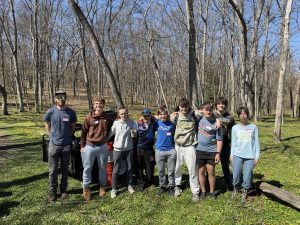
That number is powerful on its own, but it feels even bigger when you think about what it looked like on the ground: empty bottles, plastic wrappers, straws, and other litter scattered along the water and shoreline. Piece by piece, volunteers helped remove waste that did not belong in this ecosystem.
This clean-up also moved us closer to a goal that means a lot to Solve Water: removing 1 ton of trash by my 2027 Rye High School graduation. With this event, we have now collected 531 pounds total.
Why cleaning up Blind Brook matters
Blind Brook is not just a local waterway. It is part of a watershed that ends in the City of Rye, draining into Milton Harbor and then into Long Island Sound. That means trash left in or near the brook does not always stay there. What starts as litter in our own community can move downstream and become part of a much bigger water quality problem.
That is one reason clean-ups around Blind Brook are so important. The Rye Nature Center, which hosts brook cleanups throughout the year, puts it simply: these efforts help make sure trash does not end up in the Sound.
Small trash adds up fast
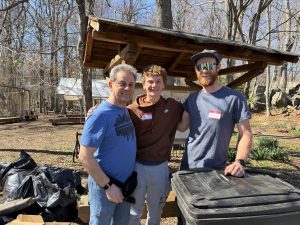
A lot of what we found was small: bottles, straws, wrappers, and other everyday waste. But small trash adds up quickly. It can wash into drains, streams, and tributaries during storms and eventually reach larger bodies of water. EPA materials on floatable debris and Long Island Sound have long emphasized that litter from streets and storm drains can
ultimately end up on shorelines and in the Sound.
That is why local action matters. Cleaning up one brook may seem small, but it protects wildlife, improves the health of our local environment, and helps keep pollution from moving farther downstream.
Thank you
Thank you to everyone who came out to help on April 11, and a special thank you to the Rye Nature Center for partnering with Solve Water and supporting this work.
We are proud of what we accomplished together, and we are not done yet.
Stay tuned for another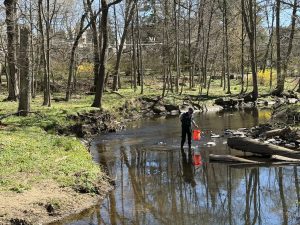 clean-up coming soon. Every event brings us closer to our goal of 1 ton collected by 2027 — and closer to a cleaner Blind Brook and a cleaner Long Island Sound